
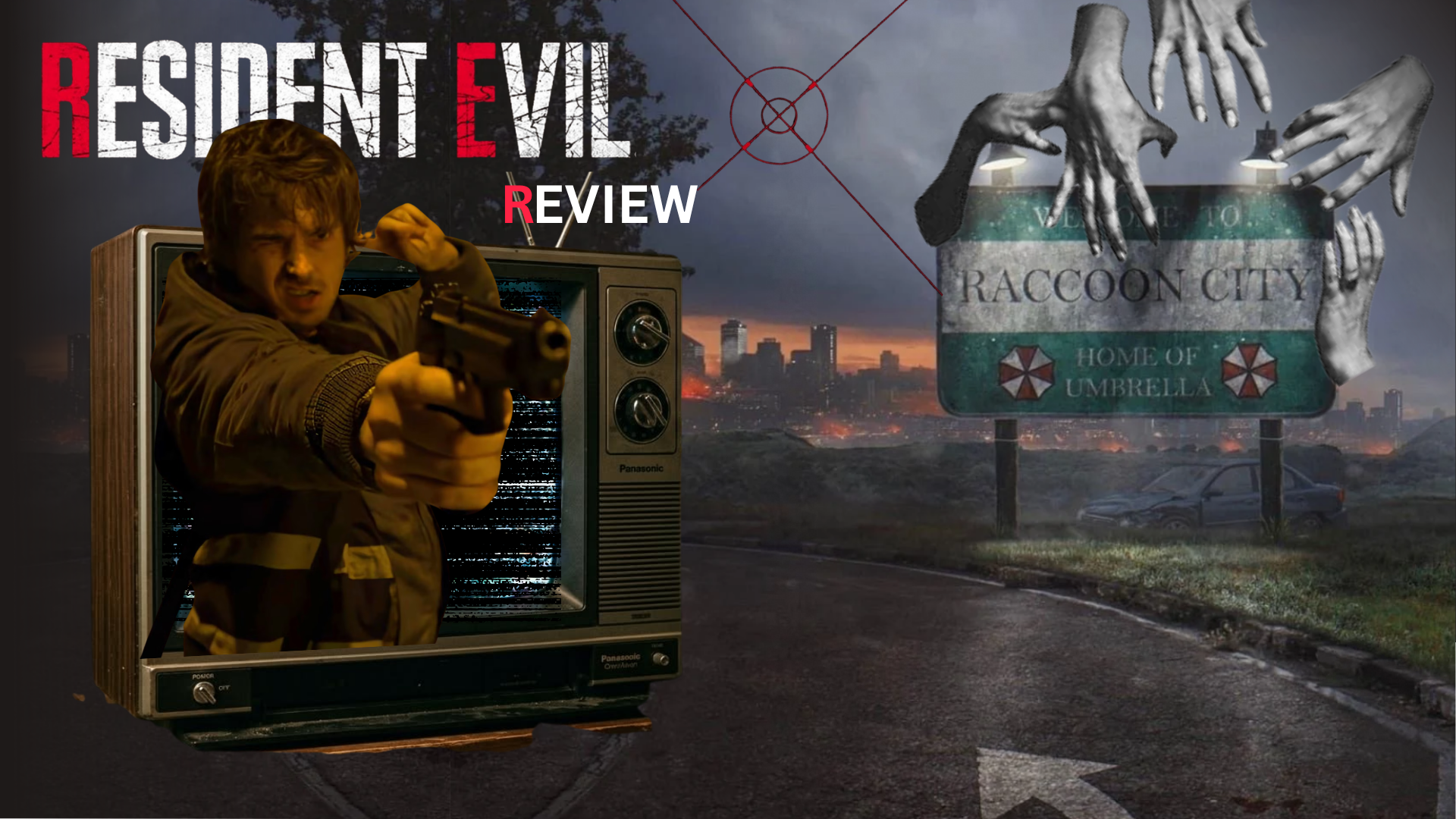
This article contains spoilers for “Resident Evil” (2026)
“Resident Evil” (2026) is the perfect way to end a long day.
Not that it’ll help you unwind. The 95-minute horror flick is relentlessly unnerving. I nearly fell out of my seat more than once – from laughter at times, sheer terror at others. Still, no matter who you were when you walked into the theater, you’ll leave knowing it could be worse.
You could be Bryan.
It doesn’t get much worse than that.
Excellently portrayed by Austin Abrams, Bryan is a medical courier who unwittingly agrees to take the drive from hell – or, more accurately, into hell – to deliver a package to a remote hospital.
Raccoon City General.
When told his destination, Bryan dons a stocking cap and an endearing smile. “Hey, no sweat,” he says.
For viewers familiar with the iconic horror video game series, this line is immediately ironic. Getting to Raccoon City inevitably involves plenty of sweat, tears and, most of all, blood.
A film for the fans
Growing up, the “Resident Evil” franchise was always in my peripheral – literally.
It was a game I knew I had to leave the room for when my dad and older brother decided to play. I’d catch glimpses of morbid creatures on the TV as I passed by the living room, and sometimes I’d hear yelling – this from the people holding the controls.
When I finally played one of the games myself, I understood why.
Being immersed in a world full of flesh-hungry zombies feels different in a video game than it does in a movie. As an active participant, you have some sense of control over where the story goes – which makes the stakes feel higher when things go wrong.
Somehow, the 2026 film adaptation captures that same chaos.
Maybe it’s all the padlocks, Bryan’s frequent reliance on a flashlight or the first-person point-of-view sequences that are littered throughout the film. Director Zach Cregger (“Barbarian,” “Weapons”) relies on these elements as subtle but effective nods to the games.
He also makes sure even the most die-hard “Resident Evil” fans have some surprises in store. By telling the story from the perspective of a random civilian – a person who would generally be no more than an NPC – Cregger finds a creative sweet spot.
A world people know and love. A hero no one has met.
It’s a recipe that allows Cregger to honor the source material while leaving ample room for creative liberties.
The recipe’s success relies on Abrams.
A fresh protagonist
Bryan is no Leon S. Kennedy. He has no experience with a gun, and he certainly won’t be whipping out dramatic backflips – he can hardly make it up four flights of stairs.
And I mean all of that with love.
This protagonist’s superpower is his relatability, which he uses to win the audience over by the end of the film. Viewers spend the whole journey with him; there’s never a scene where Abrams is off-screen, and he often occupies that space alone. To fill the silence, he ends up talking to himself. A lot.
Bryan’s external monologue could make or break the movie. His humorous commentary risks making the situation feel unnatural, but it never goes too far. Instead, Abrams’ delivery of curse words and incredulous observations takes a tale featuring the most outlandish monsters imaginable and makes it seem real.
I never knew how quick the switch from laughing to screaming could be.
A necessary evil
In the film’s final stretch, the laughter dies down.
Having discovered that he’s carrying the key ingredient to a cure for the outbreak, Bryan fights his way to the top floor of Raccoon City General to make his delivery to scientists working in the Umbrella Corporation lab. He makes his way past video game terrors like the Puker and zombies hurling themselves off buildings over his head.
Anxiety spikes with every second that passes – time that takes its toll on Bryan. It becomes increasingly clear that he himself is deteriorating, his body succumbing to the infection he holds the cure to.
In the final minutes, Bryan loses control. His body transforms, although his eyes still hold kindness – a glimpse into his soul. He begs for help, even as he becomes the very thing he needs saving from.
It’s sickening, watching this character’s body betray him while the scientists in their clean coats are too cowardly to inject him with the cure.
In any other movie, such an ending might be ruinous. But this is “Resident Evil.” The average civilian was never going to survive. The infection was always going to keep spreading.
Bryan was always going to become another NPC – the voice behind the message you find while playing the game from the safety of your couch.
No sweat.