
(Graphic by Jordan Jones)
This review contains spoilers for “Spider-Man: Brand New Day”
Heroes give their lives for others. The hardest part is remembering to let someone do the opposite for them.
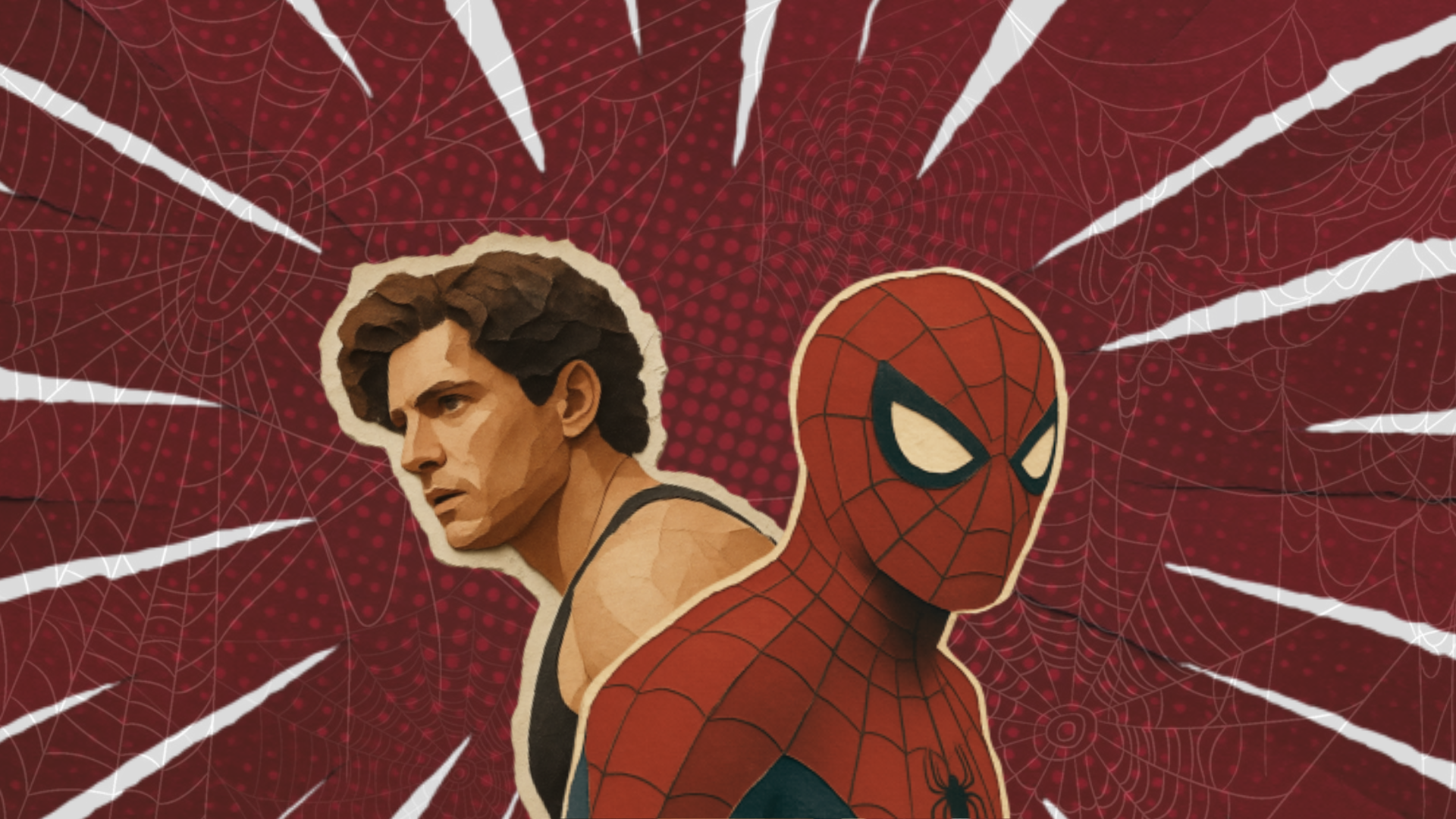
That is the central theme of “Spider-Man: Brand New Day,” which looks at the idea that Spider-Man’s biggest enemy is not a supervillain, but the weight of the expectations he places on himself.
After years of ramping up threats like Thanos and Mysterio, Marvel Studios finally presents a grounded Spider-Man story that comic book fans have been waiting for.
“Spider-Man: Brand New Day” channels Peter Parker (Tom Holland) to his core, covering themes of adulthood, loss and loneliness in a story that feels refreshingly personal.
The result is not only one of the greatest Marvel Cinematic Universe (MCU) movies, but one of the best Spider-Man movies yet.
Back to Peter Parker
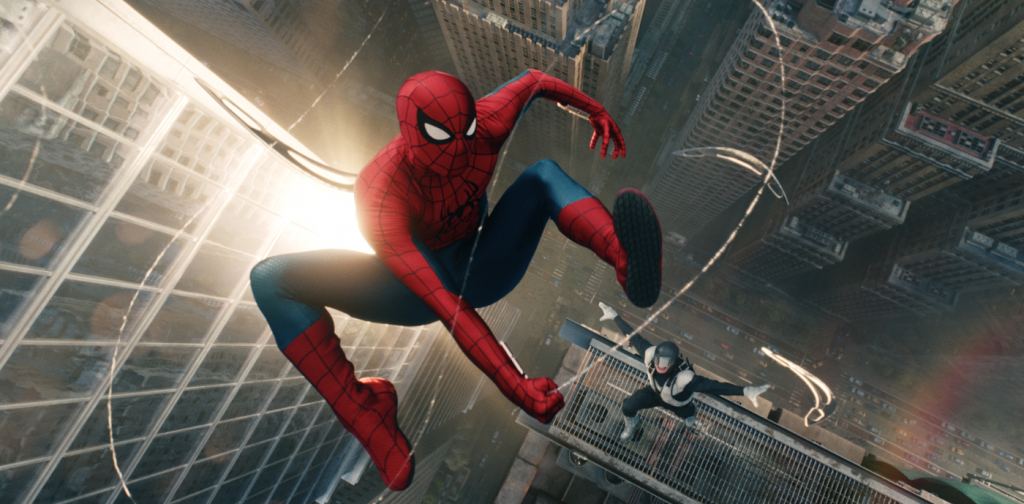
The audience is given a montage at the start of the film that shows how Spider-Man has been dealing with street-level villains over the years. From there, the film makes its intentions clear. The action scenes are exciting and thrilling, but they’re consistently interrupted by quiet conversations forcing Peter Parker to confront the emotional burden that comes with being Spider-Man.
That blend of spectacle and self-reflection is what makes “Brand New Day” stand out compared to most other recent Marvel projects.
To avid Spider-Man fans, this film feels less like a reinvention of the character and more like going back to everything that made Peter Parker compelling in the first place.
(Courtesy: Sony/Marvel Studios)
Facing isolation
Rather than making Spider-Man bigger than ever before, Marvel Studios and director Destin Daniel Cretton chose to make Peter Parker feel more real than ever.
That humanity is carried through one central theme: isolation.
Every big relationship in the film explores loneliness from a different perspective.
Jean Grey (Sadie Sink) represents isolation in its most involuntary form. Separated from her sister, abandoned by her mother and feared because of powers she never asked for, Jean spends most of the film searching for someone willing to see her for who she is, not a threat to society.
Her loneliness mirrors Peter’s, but while Peter isolates himself by choice, society isolates Jean for being different. Damage Control and William Metzger amplify that fear, treating Jean less as a person in need of help and more as a threat to be contained.
Frank Castle (Jon Bernthal) chooses isolation because he is convinced that losing everything makes him unredeemable.
Peter isolates himself, believing that saving others requires him to sacrifice his personal life.
But isolation isn’t simply Peter’s struggle. It becomes the language every major character speaks. Peter chooses it, Frank embraces it and Jean suffers because of it.
By exploring loneliness through the eyes of each of these characters, the story shifts from being about defeating villains to something far more human.
These perspectives are what make this movie so cohesive. Rather than viewing solitude as a necessary element of being a hero, “Spider-Man: Brand New Day” depicts isolation as Spider-Man’s biggest enemy.
Peter’s attempt to live his own life in this movie illustrates this idea exceptionally well.
(Courtesy: Sony/Marvel Studios)
Learning to let people in
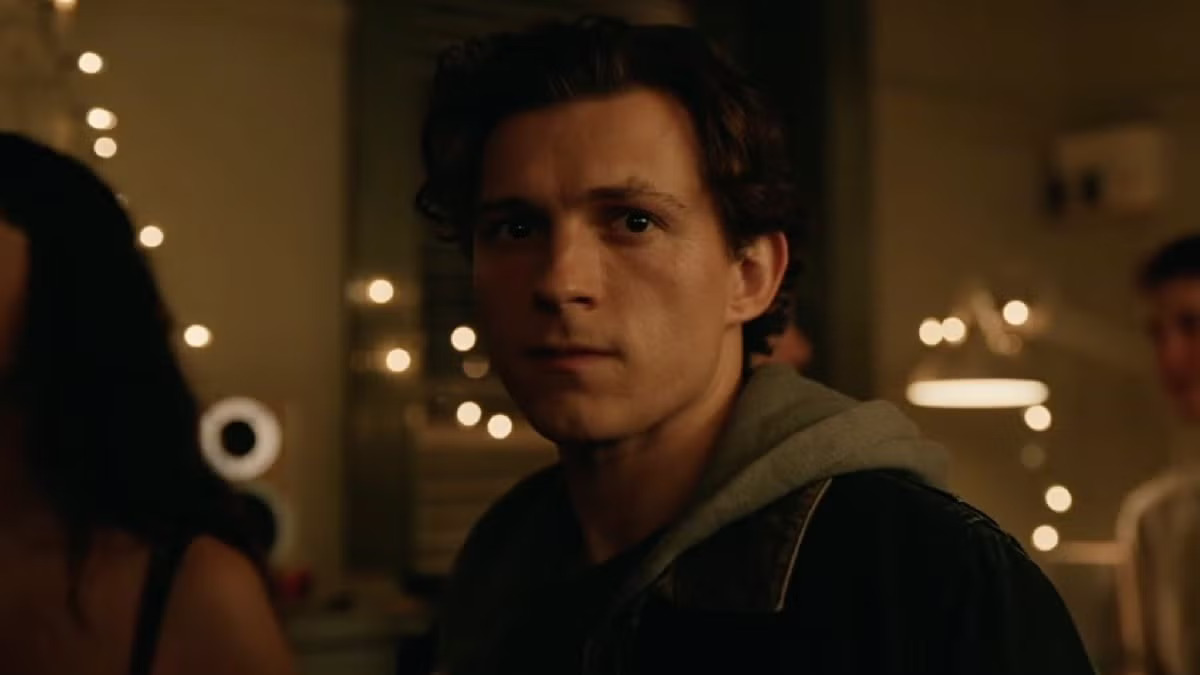
Early in the film, Peter refuses to let his personal identity exist alongside Spider-Man. During talks with Detective Jean DeWolff (Liza Colón-Zayas), he maintains a professional tone, avoiding any blurring of the lines between his personal life and his obligations as a hero, as if he had lost part of his second nature.
He doesn’t even bother learning the names of DeWolff’s kids because, to him, personal relationships only create opportunities for more loss.
However, come the end of the film, that emotional wall collapses.
After visiting Aunt May’s grave, Peter finally understands that he doesn’t have to carry all burdens alone. That realization also reshapes Peter’s relationship with Jean. Both characters understand loss, but when Peter learns to open himself up again, Jean continues searching for the family and acceptance she spent her life without.
Sadie Sink delivers one of the best performances in the movie, balancing Jean’s fear, frustration and vulnerability all in one. Rather than painting an image of an anti-villain who is simply misunderstood, the film presents Jean as another individual victimized by isolation, making her conflict with Peter feel emotionally tragic instead of solely heroic.
Their bond becomes less about superpowered beings and more about two isolated people finding solace in their similarities.
Peter is not only undergoing a transition but also recollecting the past self he buried under the notion that the Spider-Man lifestyle could easily become lonely.
Aunt May remains the emotional heartbeat of the story even after her death. Her guidance continues shaping Peter’s decisions, reminding him that extraordinary people still need others to lean on. In many ways, she becomes the mother figure Jean never truly had while remaining Peter’s moral compass, connecting both characters through the same lesson: no one is meant to carry life’s burdens alone.
No character challenges Peter’s beliefs more effectively than Frank Castle. Jon Bernthal delivers a remarkable performance, blending brutality and lightheartedness throughout his portrayal of The Punisher.

(Courtesy: Sony/Marvel Studios)
Opposite sides of grief
There’s a particular scene between them that perfectly encapsulates their differences. Frank argues that if he had any people in his life still, he wouldn’t be “cowering” behind the mask. Peter wears the mask because he has people to protect. Frank does the opposite because he believes in his heart he’s already lost everything that ever mattered to him.
Peter and Frank are mirrors of one another. Both have experienced profound loss, yet they respond in opposite ways.
By the film’s conclusion, Frank acknowledges Peter’s courage and bravery that he wouldn’t admit to seeing at the beginning.
Although Frank’s methods don’t completely change and probably never will, Peter leaves a strong impression, proving that even someone as emotionally guarded as Punisher isn’t immune to genuine human connection.
The art of Spider-Man
Visually, “Spider-Man: Brand New Day” contains some of the most breathtaking Spider-Man cinematography ever put on screen.
A noteworthy sequence follows as Peter swings through the city at night. The city is silent, covered by a haunting score, as memories of MJ and Ned flash across the screen. The camera’s slow movements heighten the severity of Peter’s feelings.
Director Destin Daniel Cretton gives these scenes some breathing room.
Instead of rushing from one sequence to the next, the camera lingers on Peter’s silence, allowing the score and Tom Holland’s performance to convey emotions that dialogue never could.
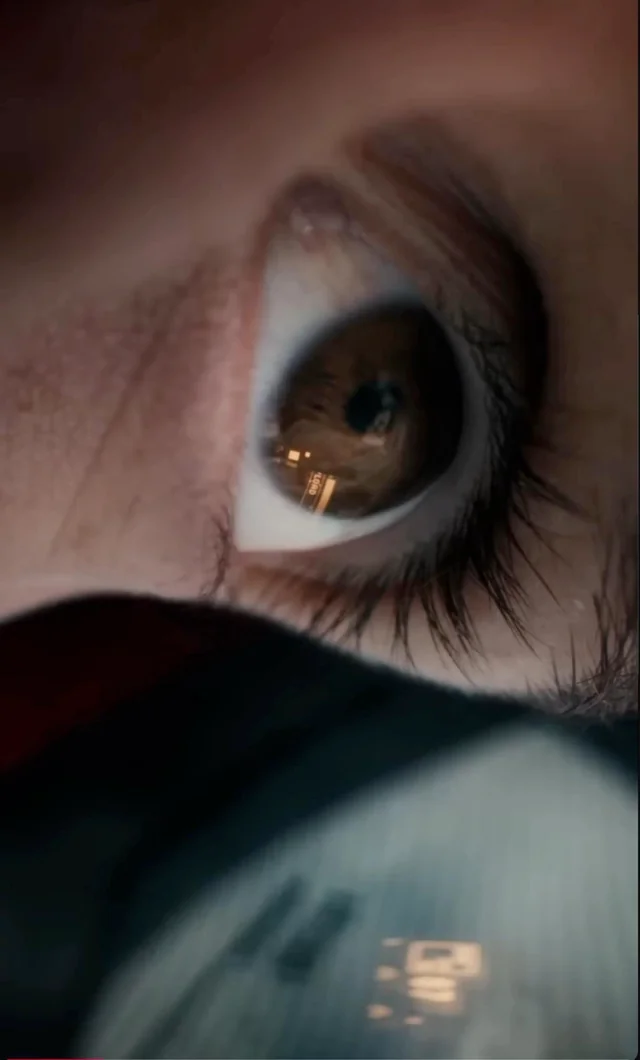
In addition, another scene allows the audience to see the world through Spider-Man’s eyes as he falls through the air.
The audience can hear Spider-Man’s breath before he fires one more web and undergoes the transformation from a superhero event to a first-person engagement that perfectly illustrates both the excitement and fragility of Spider-Man.
(Courtesy: Sony/Marvel Studios)
The action never becomes dull, with events ranging from Spider-Man’s adventures fighting various criminals in the streets to the more significant events later in the plot.
A shift in focus
The film does not follow the classic formula of many previous Marvel Studios productions.
Unlike many recent Marvel films that escalate toward universe-ending stakes, the film remains committed to Peter Parker as its emotional center. Even the limited dialogue between Bruce Banner and Peter Parker has greater relevance than most action because they reinforce the film’s central question: how much of Peter Parker must Spider-Man sacrifice?
That focus shifts briefly during the final act. As the story expands into larger MCU territory involving Jean Grey and her powers, the film momentarily loses its grounded identity that made its first two acts so compelling.
While the climax remains entertaining, it occasionally feels like Jean’s story more than Peter’s.
But the change doesn’t erase what was previously and successfully done in the movie.
Why “Brand New Day” works
By the end of the movie, it has already achieved what its predecessors failed to do – conveyed to its viewers a sense of caring more about Peter Parker than about Spider-Man.
The title “Brand New Day” captures that perfectly.
This movie isn’t about Peter beginning another chapter after losing his old life. It’s about Peter rediscovering a version of himself he believed had disappeared, alongside any memory his friends and family had of him.
It isn’t simply a fresh start because everyone forgot Peter Parker. It’s a fresh start because Peter finally remembers something about himself: he can be Spider-Man without having to sacrifice Peter.
For comic book fans, that idea feels rewarding.
Instead of reinventing Spider-Man, Marvel returns to the qualities that made the character endure for more than six decades – compassion, resilience and an unwavering belief that hope is strongest when it is shared.
It reminds audiences that Spider-Man’s greatest strength was never his webs, his intelligence or his ability to save New York countless times. It’s his willingness to believe that no one – not even a hero – is meant to carry the world alone.
“Spider-Man: Brand New Day” understands that better than any Spider-Man film in years.