
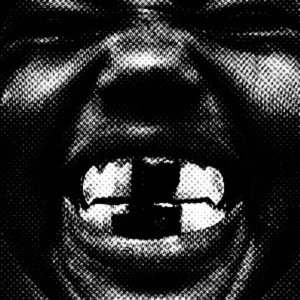
Just two weeks since its release, “BULLY” doesn’t sound like a return to form.
It sounds like a defense.
Not just based on the music itself, but also everything that surrounds it. Because listening to Kanye West in 2026 is no longer a regular act – it comes with context, controversy and a question that lingers over every track: what exactly is he trying to prove?
That question starts before the album even plays. In the weeks leading up to the album, Kanye released his apology letter, “To Those I’ve Hurt,” where he admitted he had “lost touch of reality” and asked for patience as he works to rebuild trust.
It was direct, reflective and, for some, very overdue.
“BULLY” is like the continuation of that letter put into sound form.
And to its credit, it works more often than not.
“BULLY” is a noticeable step forward from his “Vultures” era. The production is tighter, more deliberate and perfectly recaptures the kind of controlled chaos that once defined Kanye’s music. “FATHER,” featuring Travis Scot,t and “PUNCH DRUNK” feel elevating, while “ALL THE LOVE” stands out as one of the most complete tracks where emotion and production actually meet instead of competing.
There’s a level of heart in this album that wasn’t present in recent releases, and it’s very noticeable.
But what makes “BULLY” worth talking about isn’t just that it sounds better. It’s what Kanye is trying to say, and how he says it.
There are clear signs of contemplation and self-awareness throughout the whole album.
On “WHATEVER WORKS,” Kanye admits to having a “change of heart,” where he recognizes the pain caused to people but acknowledges it “could’ve been worse.”
“HIGHS AND LOWS” has Kanye offering something close to accountability, saying he’s put everyone “through a lot,” reflecting on the past couple of years, notably filled with antisemitic comments.
Even on “FATHER,” where he claims to be leaving everything behind him, as he mentions he has to say goodbye to his “old self” to make place for the new Kanye.These moments feel intentional. They echo the tone of his apology letter and acknowledge the damage that’s been done. But awareness doesn’t always translate to accountability.
That very same reflection easily shifts into explanation.
Kanye doesn’t just acknowledge his actions; he clarifies them. In his apology, he points to mental health and a loss of control. On “BULLY,” that same framing carries over, creating a tension between taking responsibility and redefining it.
And that same tension becomes the core of the album.
At times, it feels like Kanye is trying to reconnect with his audience. Other times, it feels like he’s trying to convince them, asking fans to reshape the way his actions are understood rather than fully sit with them.
The result is an album that feels split between self-awareness and self-defense.
That complexity is exactly why “BULLY” lands the way it does weeks after release.
It’s undeniably better than what came before it. We all know Kanye; he has multiple versions of every album he’s ever made. “BULLY,” now, is more focused, more complete and at times, genuinely compelling. It reminds listeners why Kanye West still matters as an artist – why his music still draws attention, still sparks conversation and still feels impossible to ignore.
But it also enlarges a harder truth.
“BULLY” proves that making better music is the easy part, especially when you’re Kanye. Rebuilding trust is something else entirely.
And while Kanye is clearly trying to be heard again, weeks later, one question still defines the album:
Not whether he can make people listen – but whether anyone still believes him.