
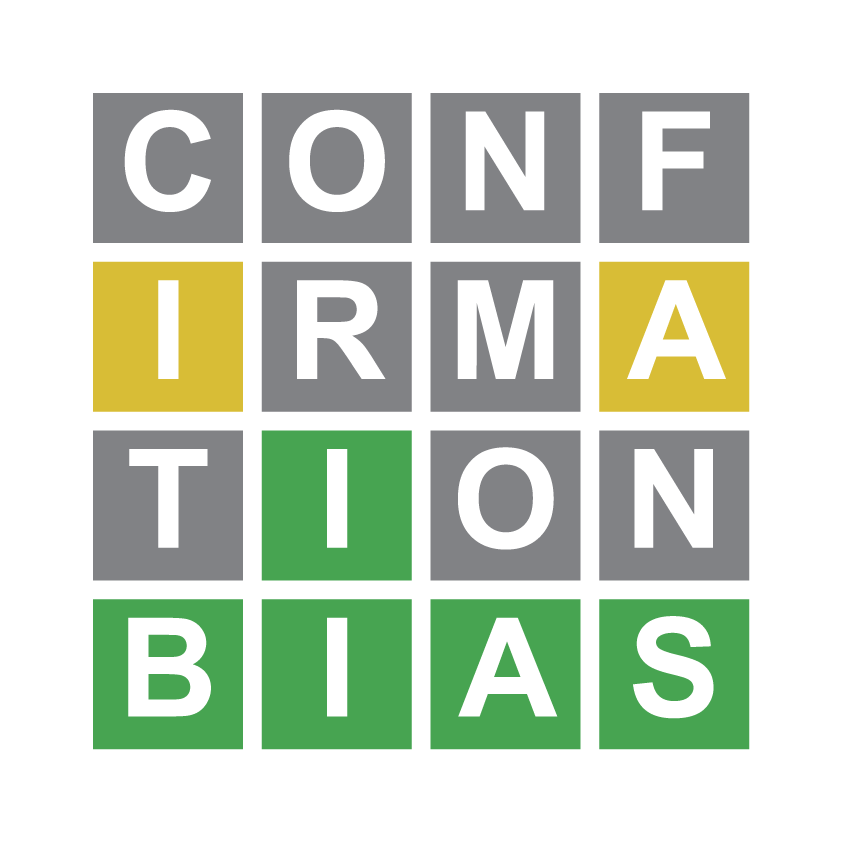
Since The New York Times has taken over Wordle, a word guessing website that took the world by storm, many long-time participants have been up in arms over the difficulty.
Brooklyn-based software engineer John Wardle designed the website for his wife, who has a love for crossword puzzles and spelling games.
The website launched in October of 2021 and became popular within the Wardle family’s WhatsApp group chat.
Eventually, the hype spread, with 300,000 people playing daily just two months after its launch.
In January, The New York Times bought the website for a number “in the low seven figures,” according to an article they released the week of the purchase. Since then, many fans of the app have expressed dissatisfaction, accusing the publication of making it harder.
As unlikely as it sounds, The Times has not changed much about the source code. In fact, they have actually taken out a few difficult words, including “agora” and “pupal.”
It is likely that this newfound anger is actually a vicious form of confirmation bias.
Many of the millions of Wordle players fell in love with the story of Wardle creating the simple website for his wife, featuring no ads or paywalls.
With a big company like The Times taking over the website to increase their viewership, fans would naturally be displeased.
Negatively preconceived notions would obviously cloud the judgment of the player, especially when supposedly hard words like “vivid” and “ultra” were utilized so closely together.
Technically, the use of tricky double letters has gone up from being used in a third of original Wordles to now 45%, the sequence of words used is guaranteed to even out eventually.
That being said, I personally will continue to blame The New York Times for all my failed attempts.