
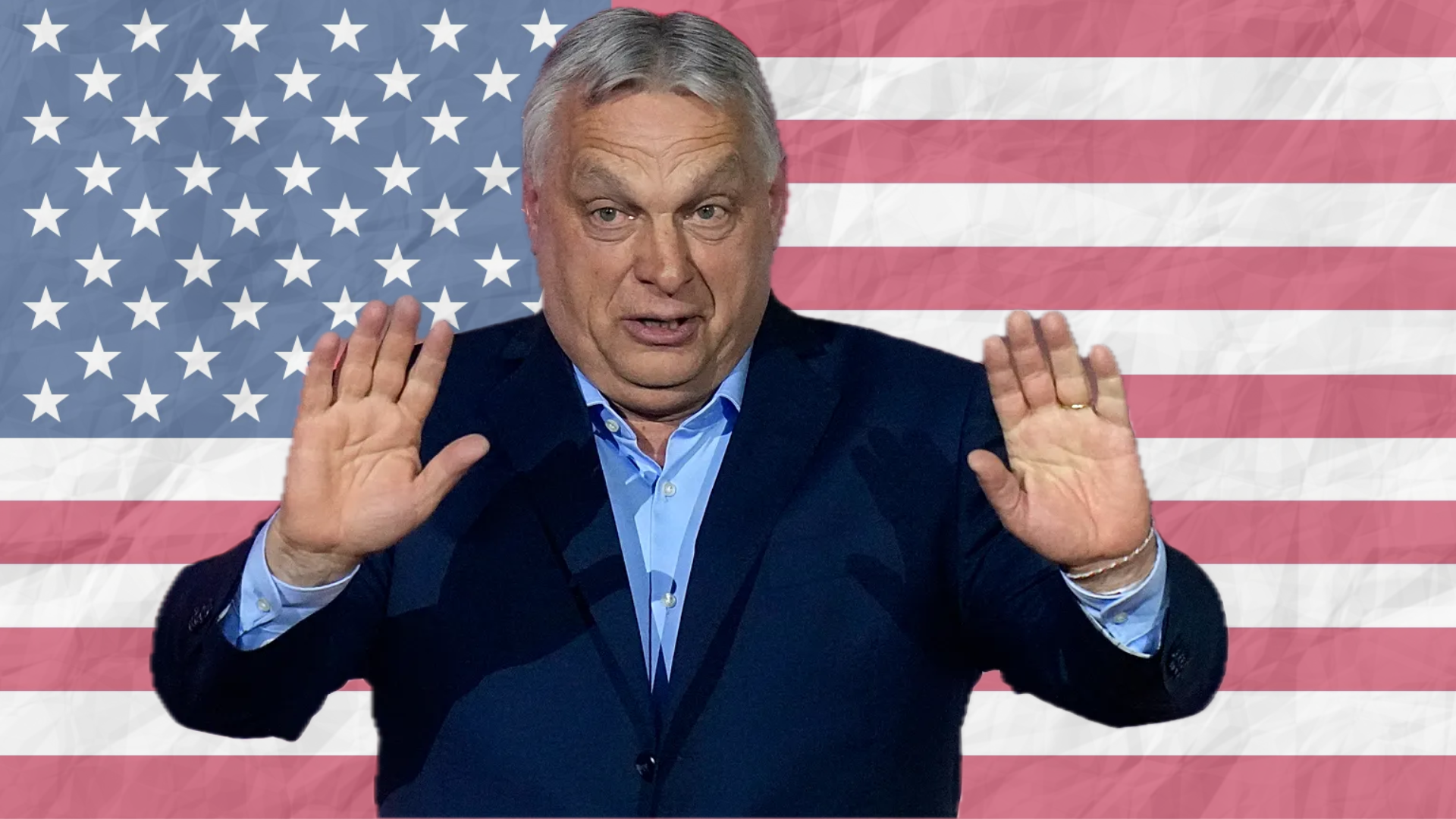
In many ways, Viktor Orbán was everything Donald Trump hopes to be.
After rising to power in 2010, Orbán became Hungary’s Prime Minister, a title he held until a few days ago. Characterized by anti-immigrant sentiment, attacks on public universities and a desire to dissolve the separation of church and state, many of his policies should sound all too familiar to Americans. In his time as leader, he rewrote the country’s constitution, dismantled its legal system and reshaped the government in his image.
Then he lost.
Despite years of alleged election tampering to secure his continued reign, the voice of Hungary’s constituency grew too strong even for his authoritarian aspirations.
Orbán’s defeat is a positive sign for countries battling authoritarianism around the world, that the influence of an individual can never outweigh the voice of the people.
But the struggle to defeat him in the first place should’ve been a canary in a coal mine.
For many Americans, Hungary felt too distant and too freshly democratic to be a meaningful parallel. The general sentiment was “that could never happen here.”
But it did, and the people in power not only recognize the beliefs that were once considered too undemocratic for America, but they’re encouraging it.
The Trump administration repeatedly praised Hungary’s response to immigration, using it as the foundation of its own mass deportation policy. Orbán spoke at the Conservative Political Action Conference (CPAC) in America multiple times about his hopes for America to return to its alleged Christian roots. He had a strong relationship with Trump and Russian president Vladimir Putin, often acting as the middleman between the three leaders.
In many ways, Orbán’s regime was the blueprint for the contemporary American right, and its impact on American residents has been disastrous.
But his defeat provides us with a new map.
As Orbán’s populist rhetoric became less and less palatable to Hungarians, he and his Fidesz political party increasingly lost influence. The most recent election is a resounding condemnation.
Not only did Orbán lose his position as head of government, but the opposing Tisza party is poised to win a supermajority in Congress, which would allow them to rewrite the constitution. Hungary’s answer to authoritarianism was a strong, democratic refusal of further transgressions.
That’s exactly what America needs now.
The US can’t afford to let a populist rule for 16 years straight. The damage Trump has done in just over a year is more than enough proof of that. Instead, they can learn from Hungary and make their refutation as adamant and decisive as possible, while minimizing harm.
Because our leaders are learning too.
Orbán looked invincible for years before suffering one of the most embarrassing political defeats in recent history. The Trump administration won’t be so complacent. They’ll do anything they can to make sure their allies are the ones in power.
Either way, Hungary, as it has been for years, is the blueprint for America.
The only question is who the architects will be.