
In an era when attention spans are shrinking and music is consumed at an unprecedented pace, the traditional full-length album is slowly becoming the default standard for artistic impact.
However, short projects such as EPs and condensed albums are among the most efficient ways for artists to express their art. Projects considered “too short” have now become deliberate.
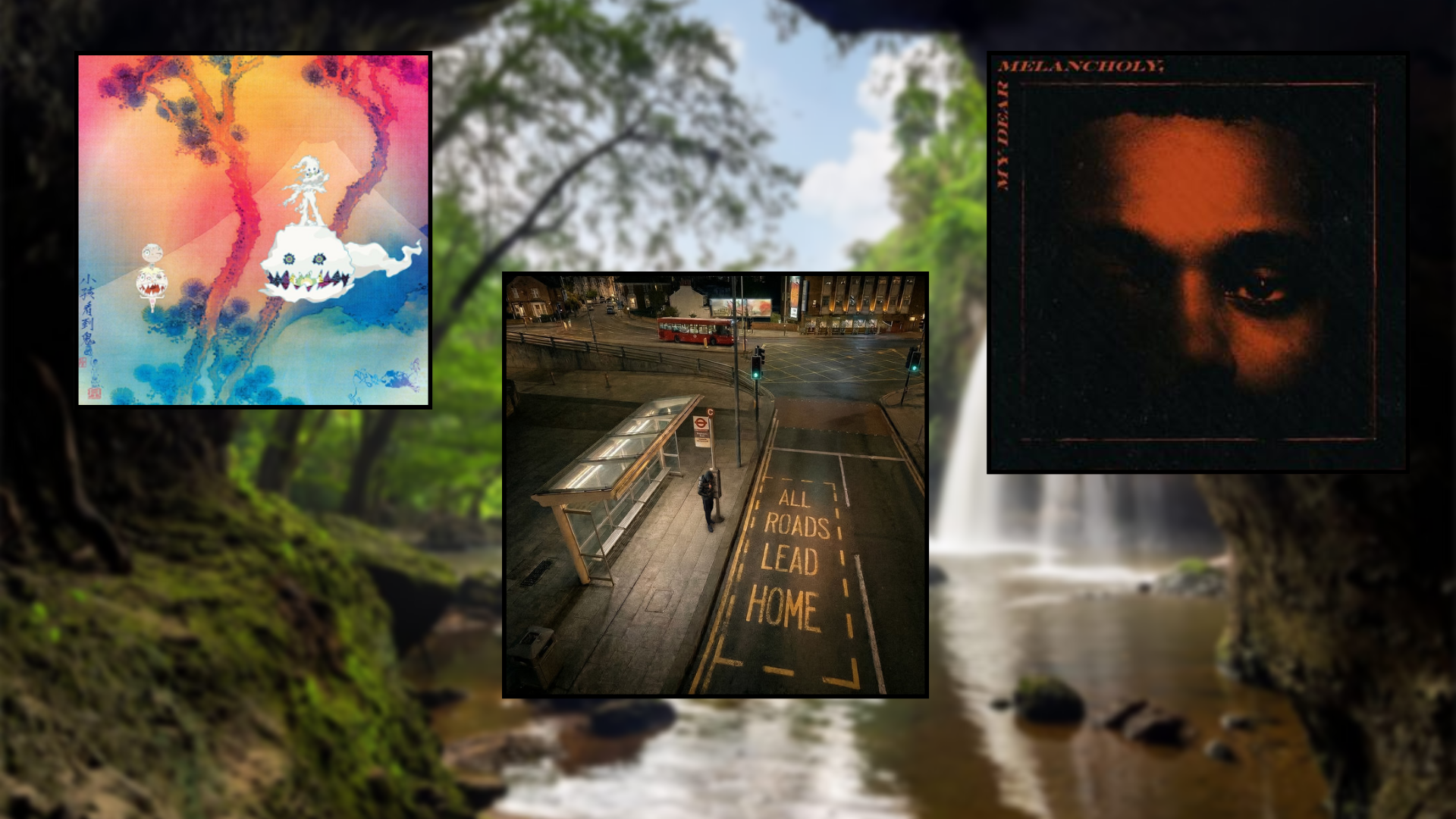
A recent example of this shift is UK rapper Central Cee and his project “ALL ROADS LEAD HOME.”
“ALL ROADS LEAD HOME” is highly focused and well-structured, with no space for extra elements. It isn’t stretched, either; rather, it aims for immediacy.
Songs are crafted to deliver maximum impact instantly. As people stream music nowadays, it seems more strategic to focus on delivering a song with a lasting impact rather than on overly long ones.
“ALL ROADS LEAD HOME” reflects a wider trend in modern music: shorter releases are not incomplete ideas – they are intricate, concentrated ones.
As a society, we simply have to realize that music consumption has changed.
Streaming platforms incentivize repeated plays, while social media has revolutionized music discovery and valuation. To keep it honest, people don’t have the patience to endure a whole album with interruptions, but they are willing to spend time listening in bits and pieces or short bursts. Short albums are simply better suited for modern listeners.
Instead of relying on length to create value, artists now focus on density: how much meaning, emotion or replayability can be packed into a shorter runtime.
Many highly-regarded contemporary albums already adhere to this trend. The Weeknd’s “My Dear Melancholy,” is one. At just six tracks, it’s more of an emotional quick piece than an album.
Yet, the album’s impact has made up for its length.
“My Dear Melancholy,” has depth. Every song carries its own importance, and the project’s minimalism is its biggest strength. It never overextends itself and always leaves someone waiting for more.
Another strong example is “Kids See Ghosts,” the collaboration between Kanye West and Kid Cudi. This one, with seven tracks, feels complete and intentional from start to finish.
Instead of lacking completeness, its concision brings the project together completely. It stands as solid proof that an album does not need length to feel fully realized.
What binds these projects together is the way artistic value is measured.
Once, the importance of an album was measured based on its sheer length, providing more musical content for fans to enjoy. Now, in the new streaming era, an album’s significance is defined by replayability and cohesion.
A shorter album that listeners return to repeatedly can have greater cultural longevity than a longer one that loses listeners’ attention halfway through. In that sense, brevity becomes a form of precision.
Ultimately, the rise of short albums reflects a broader change in music itself. Artists are no longer simply assembling collections of songs – they are crafting tightly focused statements.
In this environment, knowing when to stop or cut down an album is just as important as knowing what to include.
Projects like “ALL ROADS LEAD HOME,” “My Dear Melancholy,” and “Kids See Ghosts” provide a clear pattern.
The most enduring modern releases are often not the longest – they are the most intentional.